Beyond the Surface: Distinguishing Desirable Patina from Destructive Corrosion on Collectible Lunchboxes

What Exactly is Patina on a Vintage Lunchbox?
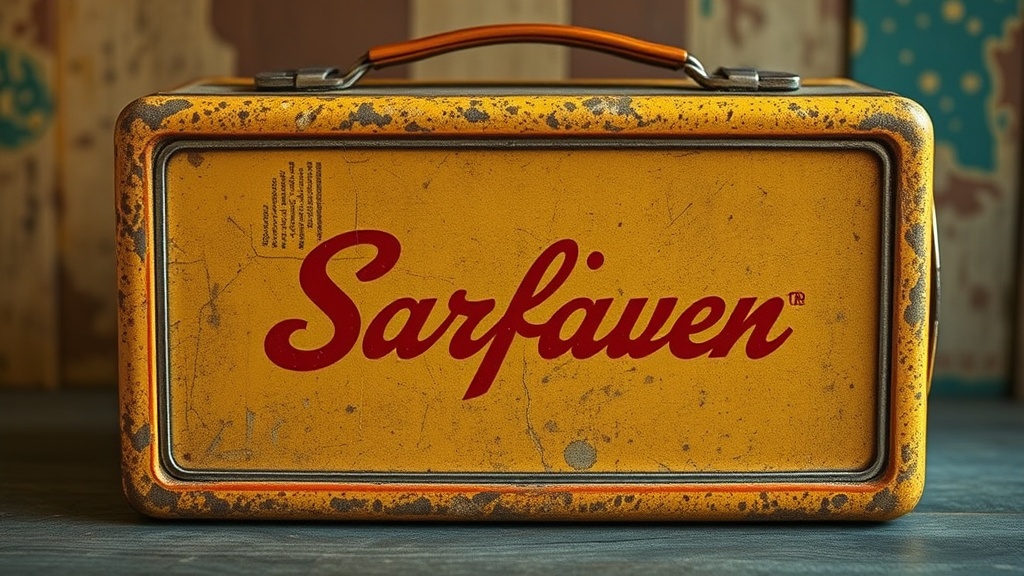
Many collectors view the signs of age on a vintage item as inherently good, calling it "patina." And often, they're right! Patina refers to the natural chemical changes that occur on the surface of metals over time, due to exposure to air, moisture, and other environmental factors. Think of the rich, darkened luster on an old copper pot, or the subtle softening of paint on a mid-century tin lunchbox. This stable, protective layer isn't merely wear and tear—it actually tells a story, enhancing the item's historical character and often its visual appeal. It’s a superficial alteration that typically stabilizes the metal and, crucially, doesn’t compromise its structural integrity. A well-preserved patina suggests a long, gentle life, making your collectible even more compelling.
How Can You Tell the Difference Between Desirable Wear and Actual Deterioration?
Here’s where things get tricky: not all aged surfaces are created equal. Distinguishing between genuine patina and active damage is paramount for any serious collector. Genuine patina often appears as a relatively uniform, stable coloration or texture change that feels smooth or only slightly textured to the touch. It’s part of the object’s "skin" and usually doesn’t flake, crumble, or actively spread. For example, a dulling of a shiny surface or a slight overall darkening of the metal underneath paint chips might be desirable patina.
However, destructive corrosion tells a different story. If you see powdery, reddish-brown flakes (active rust on iron or steel), green powdery spots ("bronze disease" on copper alloys, though less common for tin), or areas where the metal seems to be actively eating away, you’re looking at damage. Pitting—small, deep depressions—indicates actual metal loss, not just a surface change. Look for areas where paint is actively bubbling, lifting, or flaking off beyond typical edge wear. These are clear indicators that the object isn't just aging gracefully; it's actively deteriorating and requires attention to prevent further loss. The key is stability: patina is generally static, while corrosion is dynamic and progressive. For more technical insights into metal degradation, the