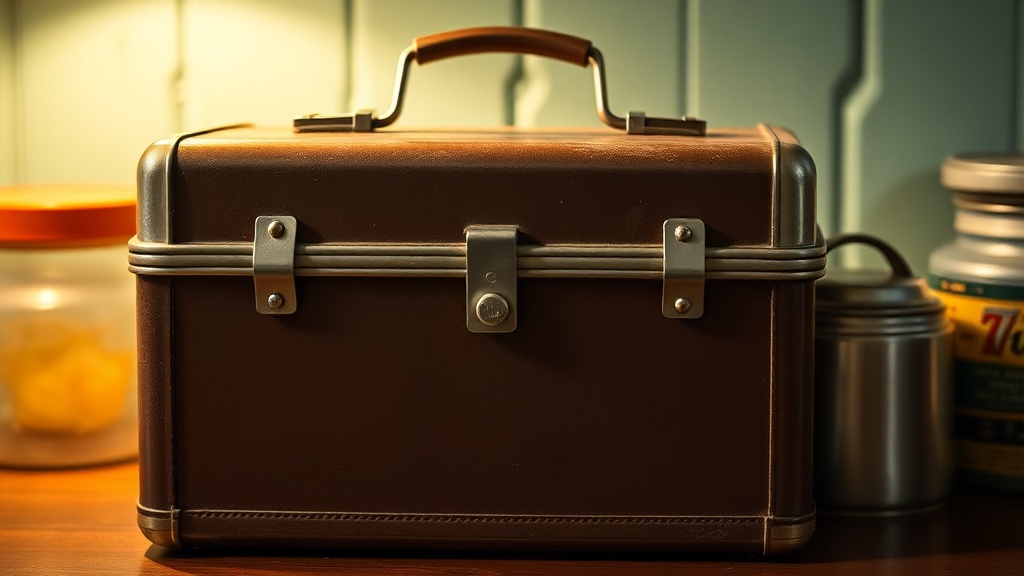
Bringing Back the Brilliance: Cleaning and Deodorizing Your Vintage Lunchbox Collection

The Echoes of Eras Past: A Guide to Refreshing Your Collection
Did you know that the humble lunchbox, once a utilitarian object for daily sustenance, has transformed into a highly coveted collectible, with certain rare examples—like a pristine 1954 Superman dome-top—commanding figures upwards of $10,000 at auction? This remarkable appreciation underscores why preserving these nostalgic artifacts extends beyond just admiration; it calls for meticulous care, particularly in cleaning and deodorizing. This guide focuses on practical, safe methods for restoring the former glory of your vintage lunchboxes, ensuring they remain cherished pieces of history without sacrificing their integrity or value. We’re going to walk through the best ways to tackle grime, banish lingering odors, and handle these delicate relics with the respect they deserve.
Why Do Vintage Lunchboxes Develop Unpleasant Odors and Stains?
Ah, the unmistakable whiff of time—a combination of aged plastic, residual food particles, and perhaps a touch of mildew. Vintage lunchboxes, especially those crafted from materials like metal, plastic, or even early vinyl, are veritable sponges for odors and stains. Over decades, they’ve often served multiple owners, enduring countless meals, spills, and storage conditions that were far from ideal. Food residues, even microscopic ones, can break down and release volatile organic compounds that cling stubbornly to porous surfaces. Plastics, particularly older formulations, can degrade and off-gas over time, creating a distinct, sometimes chemical, smell.
Metal lunchboxes, while generally less porous than plastic, can suffer from rust and oxidation, which not only stain but also contribute a metallic, musty scent. The insulation materials in some older models—think early vinyl or fabric liners—can absorb moisture, becoming breeding grounds for mold and mildew. This is a common culprit for that pervasive, damp smell. Identifying the source of the odor or stain is the first step in effective treatment; a thorough assessment often dictates the cleaning approach you’ll take, whether it’s a gentle wipe-down or a more intensive deodorizing process.
What Are the Safest Cleaning Methods for Different Vintage Lunchbox Materials?
Approaching a vintage lunchbox with a sponge and soap requires a moment of pause. Not all materials react kindly to harsh chemicals or abrasive scrubbing. Your goal is preservation, not destruction. Here’s a breakdown by common material:
Metal Lunchboxes (Tin, Steel)
For most metal lunchboxes, less is often more. Start with a soft, damp cloth and a very mild soap—a drop of dish soap in warm water is usually sufficient. Wipe down all surfaces gently, paying close attention to seams and corners where grime accumulates. Immediately follow with a clean, dry cloth to prevent water spots and rust. Rust is the enemy here; never let water sit on bare metal. For stubborn spots, a cotton swab dipped in rubbing alcohol can work wonders on surface grime, but test in an inconspicuous area first, especially near graphics, as alcohol can sometimes affect painted finishes.
Crucial Consideration: Graphics. The painted or lithographed graphics on metal lunchboxes are surprisingly delicate. Avoid abrasive cleaners, scrubbing pads, or anything that could scratch or lift the image. If graphics are flaking, consider professional restoration or simply clean around them very carefully. You want to keep that iconic imagery intact!
Plastic and Vinyl Lunchboxes
Plastic and vinyl can be more forgiving than metal, but they too have their vulnerabilities. A solution of warm water and mild dish soap is generally safe. Use a soft cloth or a very soft brush (like an old toothbrush for crevices) to clean the surfaces. For yellowed plastic, a careful application of a hydrogen peroxide solution (often diluted) can sometimes reverse minor discoloration, but this is an advanced technique and requires research and testing.