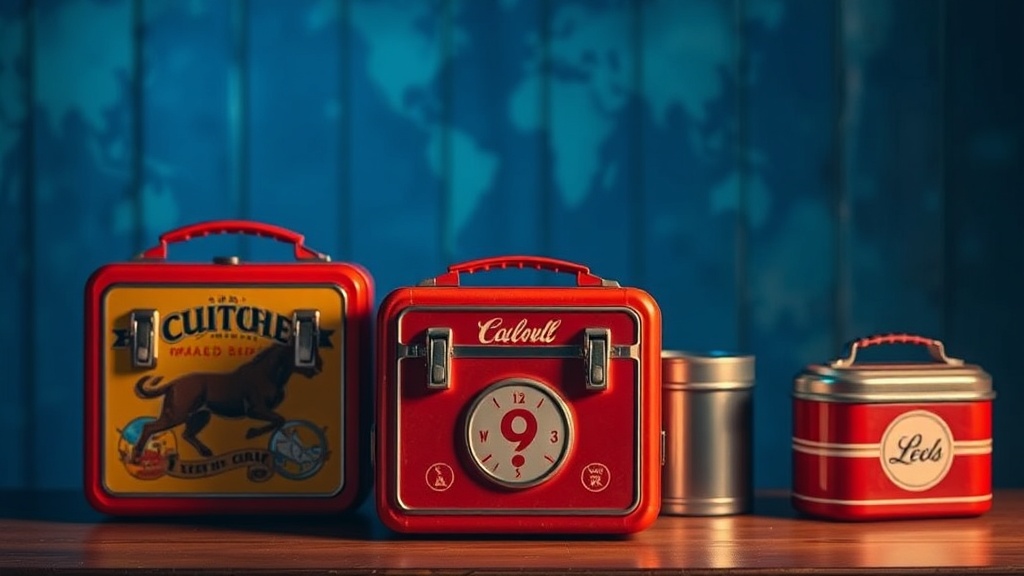
Bringing Back the Brilliance: Thoughtful Cleaning for Your Collectible Lunchboxes

Caring for Your Vintage Lunchbox: An Introduction
Understanding how to properly clean a vintage metal lunchbox is crucial for any collector. This guide will walk you through safe, effective methods to remove dirt, grime, and minor surface contaminants without damaging delicate graphics, finishes, or the structural integrity of your cherished collectibles. You'll learn which materials and techniques to employ, and — just as important — which to avoid, ensuring your lunchboxes remain display-worthy for years to come.
Why Is Careful Cleaning So Important for Vintage Lunchboxes?
Vintage lunchboxes, particularly those made of lithographed tin or steel, are susceptible to damage from harsh chemicals, abrasive materials, and excessive moisture. The vibrant artwork — often the most appealing aspect of these pieces — can scratch, fade, or flake off if not treated with the utmost care. Rust is another significant concern; improper cleaning can introduce moisture that accelerates corrosion, turning a minor spot into a major problem. Moreover, some older plastics used for handles or latches can become brittle with age, requiring a gentle touch to prevent breakage.
Think of it this way: these aren't just old containers; they're miniature canvases of pop culture history. Each scratch, each faded spot from aggressive cleaning, diminishes that history. Our goal isn't to make them look brand new — that's often impossible and undesirable — but to stabilize them, make them aesthetically pleasing, and halt any further degradation. A clean lunchbox allows its story to shine without the distraction of decades of accumulated dust and grime.
What Supplies Do You Need for a Safe Cleaning Session?
Before you begin, gather your tools. Having everything at hand minimizes interruption and ensures a smooth process. You'll want to work in a well-lit area, perhaps with a soft towel spread out to protect both your workspace and the lunchbox itself. Here’s a checklist of gentle, non-damaging items:
- Soft, Lint-Free Cloths: Microfiber cloths are excellent as they trap dust and dirt without scratching. Have several on hand.
- Cotton Swabs or Cotton Balls: Ideal for precise cleaning in crevices and small areas.
- Distilled Water: Tap water can contain minerals and chlorine that may leave residues or even react with delicate finishes. Distilled water is purer.
- Mild, pH-Neutral Soap: A small amount of dish soap (like Dawn) diluted heavily in distilled water is usually sufficient. Avoid anything with harsh detergents, abrasives, or degreasers.
- Rubbing Alcohol (Isopropyl Alcohol): A 70% solution can be effective for stubborn spots like adhesive residue or crayon, but use with extreme caution and test in an inconspicuous area first.
- Soft-Bristle Brush: A clean, soft paintbrush or a new, very soft toothbrush can help dislodge dirt from textured areas or tight corners.
- Gloves: Nitrile gloves can protect your hands from dirt and any mild cleaning solutions, and prevent transferring oils from your skin to the lunchbox.
Remember, less is often more when it comes to cleaning vintage items. Start with the least aggressive method and only escalate if necessary. Patience is your most valuable tool.
How Do You Clean the Exterior Graphics Without Damage?
The exterior, with its lithographed images, is the most vulnerable part of a vintage metal lunchbox. This is where you need to be exceptionally gentle. Your primary goal here is usually just to remove surface dust and light grime, not to scrub away years of built-up dirt with force.
Begin with a dry, soft microfiber cloth. Gently wipe down the entire exterior to remove loose dust and cobwebs. For any remaining smudges or light dirt, lightly dampen a fresh microfiber cloth with distilled water — it should be barely moist, not dripping. Wring it out thoroughly. Gently wipe the affected areas, working in small sections. Avoid rubbing vigorously. After wiping, immediately follow up with a dry cloth to absorb any remaining moisture. The key here is to minimize water exposure.
For slightly more stubborn spots that don't yield to distilled water, create a very dilute solution of pH-neutral soap and distilled water (perhaps one drop of soap per cup of water). Dip a cotton swab into this solution, squeeze out any excess liquid until it's almost dry, and carefully roll the swab over the spot. Never rub back and forth. The rolling motion lifts the dirt without scrubbing the lithograph. As before, follow immediately with a cotton swab dampened with plain distilled water (again, barely moist) to remove any soap residue, and then a dry swab to absorb all moisture.
Important Considerations:
- Test, Test, Test: Always, always test any cleaning solution or method on a very small, inconspicuous area first. The bottom of the lunchbox or inside a hinge might be suitable.
- Avoid Abrasives: Never use abrasive cleaners, scouring pads, steel wool, or even rough cloths. These will scratch the lithographed surface irrevocably.
- No Harsh Chemicals: Stay away from ammonia-based cleaners, bleach, oven cleaner, paint thinner, or any strong solvents. These can dissolve or bleach the artwork.
- Minimize Moisture: Water is the enemy of rust. Work quickly and ensure the surface is completely dry after cleaning. Do not immerse the lunchbox in water or let water pool on its surface.
- Adhesive Residue: For old sticker residue or tape marks, a tiny amount of rubbing alcohol (70% isopropyl) on a cotton swab can sometimes work. Again, test first. Dab, don't rub, and follow with distilled water then dry. Be extremely careful; some lithographs are sensitive to alcohol.
Maintaining a gentle approach will ensure the iconic imagery on your lunchboxes remains clear and vibrant, a testament to its past and a joy for your future display.
What's the Best Way to Tackle Interior Grime and Rust Spots?
The interior of a vintage metal lunchbox often presents different challenges than the exterior. You'll likely encounter food residue, general grime, and, unfortunately, rust. While aesthetics are important here, sanitation can also be a factor, especially if you plan to use it for display items rather than just admiring its presence.
Start by physically removing any loose debris. A soft-bristle brush or even a dry paper towel can help here. For general grime, a slightly more generous application of your dilute pH-neutral soap and distilled water solution can be used compared to the exterior. Dampen a soft cloth or sponge (again, not soaking wet) and wipe down the interior. Pay attention to corners and seams where dirt loves to accumulate. Rinse your cloth frequently in clean distilled water and continue wiping until the interior feels clean. Immediately dry the interior thoroughly with a clean, dry cloth.
Addressing Rust: This is where you need to exercise extreme caution. Minor surface rust, sometimes called "patina rust," might be tolerable for some collectors as part of the item's age. If you decide to address it, your goal should be stabilization, not complete removal, which can thin the metal.
- Very Light Surface Rust: For tiny, superficial spots, some collectors carefully use a cotton swab dampened with a very small amount of WD-40 or a specialized rust converter designed for delicate metals. This is controversial among purists, but can stabilize rust. If you choose this path, apply sparingly, wipe away excess immediately, and then lightly buff with a dry cloth. Be aware that this can leave an oily residue and may slightly alter the appearance. It’s a last resort and requires careful consideration.
- No Abrasive Rust Removal: Never use sandpaper, steel wool, or abrasive rust removers. These will scratch the metal, remove any remaining protective layers, and expose fresh metal to future corrosion, making the problem worse in the long run.
- Rust Converters vs. Removers: True rust removers are often acidic and too aggressive for vintage lunchboxes. Rust converters typically chemically change the rust into a stable, paintable surface. While this might be an option for severe interior rust where aesthetics are less critical, it's generally best avoided for collectible pieces as it's irreversible and can change the metal's texture and color. For more on rust treatment in general, resources like the