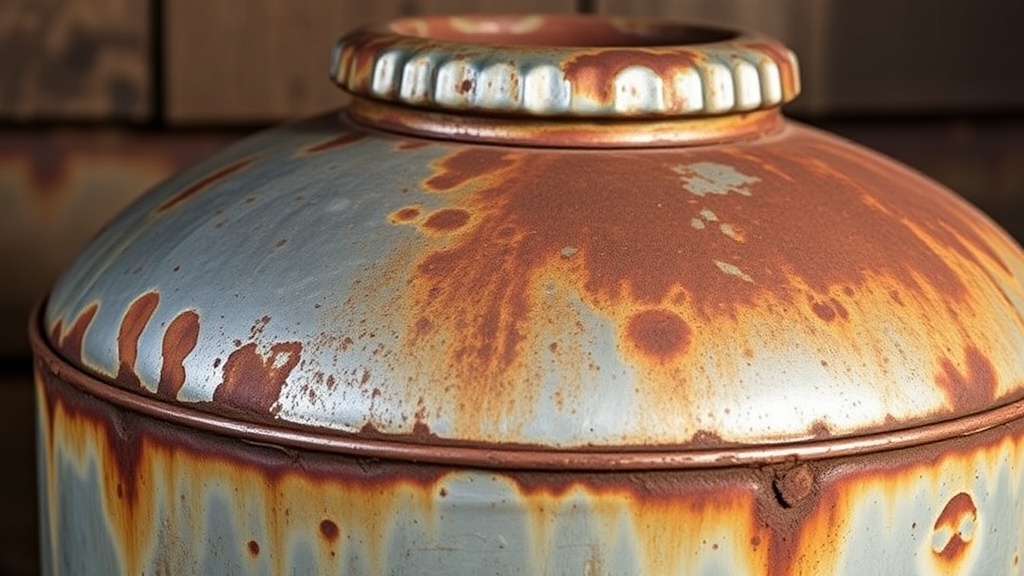
Preserving the Shine: Protecting Your Vintage Tin from Rust and Corrosion

A Surprising Reality of Metal Decay
Did you know that a single drop of moisture left on a tin surface can accelerate oxidation by up to ten times faster than in a dry environment? For collectors of mid-century lunchboxes, the battle against rust isn't just about aesthetics; it's about structural integrity. When metal meets oxygen and moisture, a chemical reaction begins that can eventually turn a prized piece of history into a pile of red dust. This guide covers the preventative measures and reactive treatments needed to keep your metal collections in top condition.
Maintaining a collection requires a shift in mindset. You aren't just a collector; you're a temporary guardian of a fragile object. Whether you own a 1950s Disney tin or a heavy-duty metal lunchbox from the 1960s, the way you store and handle these items determines their longevity. A little bit of foresight prevents a lot of heartbreak later.
How do I prevent rust on vintage metal lunchboxes?
Prevention is your first line of defense. Most oxidation occurs because of high humidity or direct contact with moisture. If you live in a humid climate—or even if you're just storing things in a basement—you need to control the air around your collection. A solid way to do this is by using silica gel packets. These little packets are designed to absorb moisture from the air and can be tucked into display cases or storage bins.
Avoid storing your metal boxes in areas where temperature fluctuations are extreme. Rapid changes in temperature cause condensation (a tiny layer of water) to form on the metal surfaces. This is especially true if you move a box from a cold garage to a warm living room. To keep things stable, aim for a consistent environment. If you use a glass display case, ensure it's airtight. This creates a micro-environment that protects the tin from the humidity in the room.
- Keep collections away from direct sunlight, which can heat the metal and cause condensation.
- Use way more silica gel packets than you think you need in storage bins.
- Avoid damp basements or uninsulated attics for long-term storage.
Another tip is to handle your boxes with care. The natural oils on your skin are actually quite acidic. If you touch the metal frequently, you're leaving behind tiny traces of salt and oil that can eventually lead to pitting or rust spots. If you're a frequent handler, wearing lint-free cotton gloves is a smart move. It keeps the surface clean and prevents skin oils from reacting with the metal coating.
What should I do if I find rust on my collection?
If you spot a small patch of rust, don't panic. It's often a sign that the protective coating or paint has failed. Your first step should be a very gentle cleaning. Use a soft, dry microfiber cloth to wipe away any loose particles. You don't want to scrub, as that might push the oxidation deeper into the pores of the metal. If the rust is surface-level, you might be able to lift it with a very mild solution.
For many collectors, a tiny amount of white vinegar on a cotton swab can work for minor spots. You apply it sparingly, wait a minute, and wipe it away. However, be extremely careful. Vinegar is an acid, and if you leave it on too long, it could damage the surrounding paint or the tin itself. Always test a small, inconspicuous area first. For more detailed information on metal preservation, the Library of Congress Preservation Toolbox offers incredible resources on handling delicate materials.
| Rust Severity | Common Symptous | Recommended Action |
|---|---|---|
| Surface Level | Tiny orange speck, no texture change | Microfiber cloth and mild, non-abrasive cleaner |
| Moderate | Raised area, slight pitting | White vinegar swab (use with caution) |
| Severe | Deep pitting, crumbling metal | Consult a professional or accept as a patina |
If the rust is deep, it's often better to leave it alone. Trying to "fix" a deep rust spot can actually cause more damage to the original paint or the structural integrity of the box. In the world of collecting, a bit of "character" or a weathered look is often more acceptable than a botched repair attempt. If you decide to use a specialized metal polish, make sure it is a non-abrasive one. Heavy-duty cleaners can strip the vintage lacquer or paint right off the box.
Is it safe to use water to clean vintage tin?
The short answer is: proceed with extreme caution. While a damp cloth is fine for removing dust, you should never submerge a vintage tin lunchbox in water. Water is the enemy of metal. If water gets inside the hinges or under the rim, it can sit there and cause internal corrosion that you won't see until it's too late. It's also hard to get that water out once it's in there.
If you must clean a surface that is particularly dirty, use a slightly damp cloth—not a wet one. Wring it out until it feels almost dry to the touch. Immediately follow up with a dry cloth to ensure no moisture remains on the surface. This is especially important for the interior of the box. While the interior is often unpainted metal, it is still susceptible to rust if it remains damp. If you use a cleaning solution, ensure it is completely evaporated before you close the lid and store the box.
For more guidance on preserving various types of vintage materials, the American Heritage archives often discuss the care of historical artifacts. While they focus on broader history, the principles of moisture control remain the same across the board. Protecting your collection is a slow process that requires patience and a steady hand. It's not about making it look brand new; it's about preventing further decay so the piece can be enjoyed for decades to come.