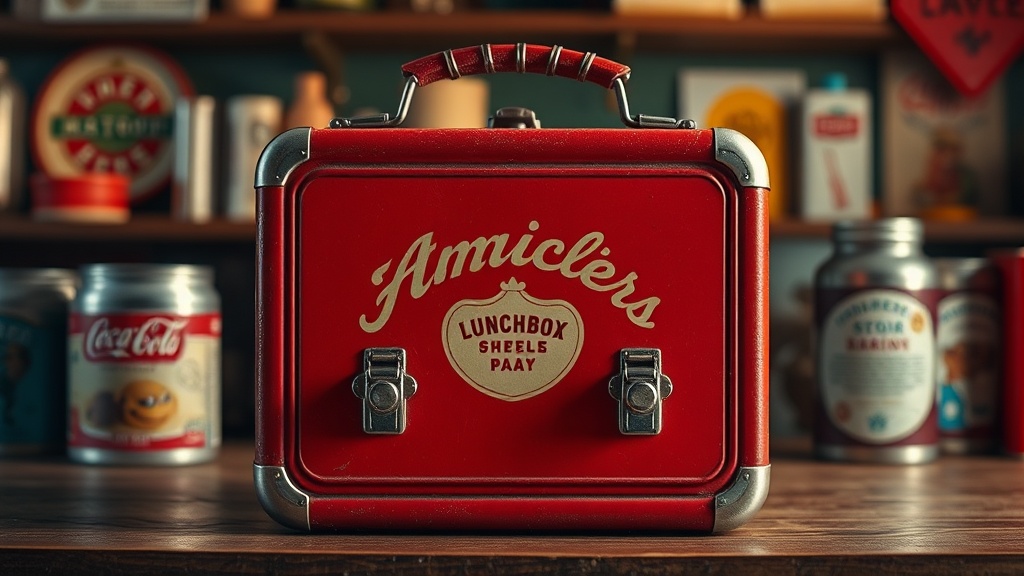
Why Certain Vintage Lunchbox Materials Outlast the Rest

Understanding the shift from metal to plastic and why it matters
This guide examines the physical construction of mid-century lunchboxes, focusing on how material choice affects both long-term durability and collector value. You'll learn to identify the structural differences between lithographed tin, heavy-duty plastics, and early synthetic resins. Understanding these distinctions helps you predict how a piece might age and how to handle it during storage.
The mid-20th century saw a massive shift in manufacturing. One decade, everything was heavy-gauge steel; the next, lightweight polymers took over. This wasn't just a matter of cost—it was a massive cultural shift in how we viewed disposable vs. permanent goods. When you're looking at a shelf of collectibles, you aren't just looking at colors; you're looking at the industrial history of the era.
The Era of Heavy Metal and Lithographed Tin
Before the widespread adoption of plastics, the lunchbox was a piece of industrial equipment. These were often made of tin-plated steel. The beauty of these pieces lies in the lithography—the process where the design is printed directly onto the metal before it's even shaped. This creates a smooth, high-gloss finish that feels incredibly high-end to the touch.
- Durability: Extremely high, provided they stay dry.
- Common Issues: Rust, denting, and paint chipping at the seams.
- Collectibility: Very high, especially for rare character-based designs.
If you find a metal lunchbox with even a hint of oxidation, stop immediately. Moisture is the enemy of tin. A little bit of dampness can lead to irreversible structural failure. If you're curious about the chemical properties of vintage coatings, the