Why Tin Lunchboxes Are Becoming Rare Collectibles

The Disappearance of the Metal Lunchbox
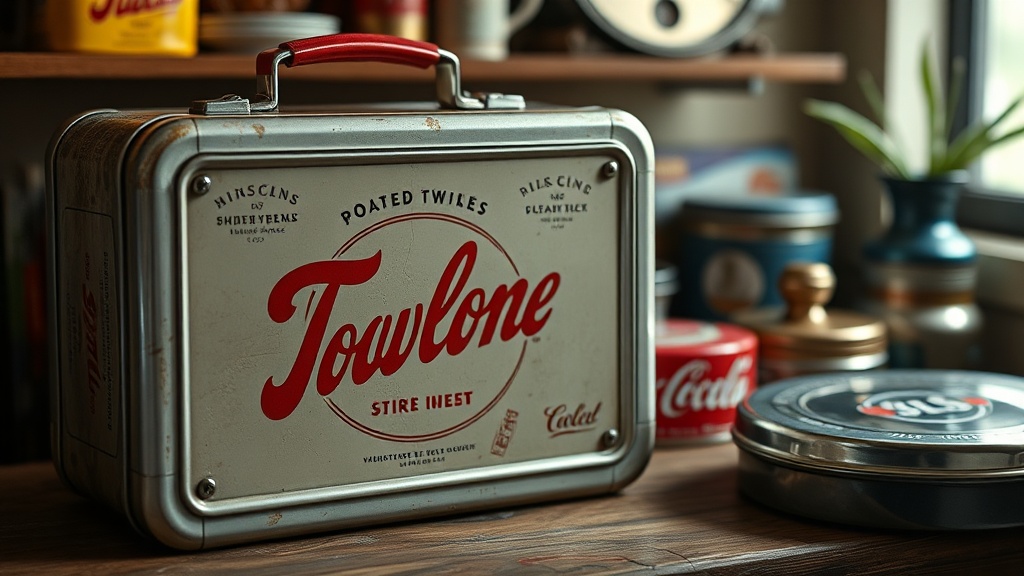
In the mid-20th century, the production of metal lunchboxes was at an all-time high, yet by the late 1960s, the industry had shifted almost entirely toward plastic and lightweight polymers. This shift wasn't just a change in material—it was a change in how we value physical objects. Today, finding a well-preserved, lithographed tin lunchbox is much harder than finding a plastic one because the manufacturing processes that made them possible simply vanished. Metal lunchboxes represent a specific era of industrial design where durability and high-fidelity graphics met in the middle of the playground. When you hold a vintage tin box, you aren't just holding a container; you're holding a piece of history that survived the transition from the heavy-duty metal age to the disposable plastic age.
The reason these items are so much more difficult to find in pristine condition is two-fold: the inherent fragility of metal over decades and the way they were actually used. Most kids weren't gentle with their gear. They dropped them in dirt, banged them against school desks, and often left them in hot cars. This physical toll, combined with the tendency for tin to rust if moisture isn't managed, makes a high-grade specimen quite rare. If you're looking to start a collection, understanding this rarity is your first step toward being a savvy buyer rather than just a casual enthusiast.
Is Tin More Valuable Than Plastic?
Collectors often ask if the material itself dictates the price. While a plastic lunchbox from the 1970s is certainly a piece of nostalgia, the market value for vintage tin lunchboxes generally outpaces plastic counterparts. This isn't just because they look better on a shelf; it's because of the lithography. The process used to print images directly onto the metal—rather than just a sticker or a cheap screen print—allowed for a level of detail and color saturation that plastic often lacks. These graphics are incredibly vibrant, even decades later, which makes them highly sought after for display.
To understand the market, look at how the collectors' community treats these items. A tin box with even minor corner dings or "shelf wear" will see a significant price drop compared to a box with sharp, crisp edges. This is because the metal's surface is the star of the show. A single scratch through the lithography can diminish the value significantly. If you want to research the history of metal manufacturing and how it influenced consumer goods, the Smithsonian Magazine offers incredible archives on industrial history that provide great context for why these items were made the way they were.
| Material Type | Durability Factor | Collectibility Score | Typical Visual Style |
|---|---|---|---|
| Lithographed Tin | High (if kept dry) | High | Vibrant, detailed, metallic sheen |
| Injection Molded Plastic | Moderate | Moderate | Matte or gloss, simpler graphics |
| Vinyl/Soft Plastic | Low | Low | Minimalist, often lacks graphic depth |
How Do You Identify a High-Quality Tin Lunchbox?
If you find a box at an estate sale or an antique mall, you might be wondering how to tell if it's a genuine vintage piece or a modern reproduction. One of the first things to check is the weight and the seams. Authentic vintage tin boxes often have a certain heft to them, and the seams where the metal plates meet are often more pronounced. Furthermore, look at the lithography. On genuine vintage pieces, the art is part of the metal itself. If you see a slight texture or a way the light hits the grain of the metal, that's a good sign. Reproductions often use a printed sticker or a thin layer of digital print that sits *on top* of the metal, which looks distinctly different under a magnifying glass.
Another way to verify authenticity is to look for the manufacturer's marks or patent dates. Many of the most famous lunchboxes were produced by companies like Aladdin or various toy manufacturers of the 1950s. These companies often had specific ways of stamping their names into the metal. If a box feels too lightweight or the graphics look "too perfect"—as in, suspiciously high-resolution for a 70-year-old object—it might be a modern homage. For those interested in the technical aspects of metal aging and preservation, the American Heritage archives are a great place to learn more about the era's design standards.
Why Does Rust Affect Collectibility So Much?
Rust is the enemy of the tin collector. Because these boxes are made of iron-based alloys, even a tiny amount of oxidation can spread. This is why many collectors are so obsessed with "Display & Care" techniques. A box that has been used for actual meals and then stored in a damp basement will almost certainly show signs of rust around the lid hinge or the bottom edges. For a collector, a "rust spot" isn't just an aesthetic issue—it's a structural one. It can signal that the metal is becoming brittle or that the lithography is beginning to flake away.
When you're browsing through new finds, always look at the interior. A clean, rust-free interior is a sign of a well-preserved piece. If the inside is dark or shows signs of pitting, the box has likely been exposed to moisture. This is a major red flag. While some people enjoy the "patina" of age, in the world of high-end metal-box collecting, a pristine, un-oxidized interior is what drives the price up. It shows that the item was treated with respect, even if it was once a child's favorite lunch container.
The transition from metal to plastic wasn't just about cost; it was about the end of an era of craftsmanship. Every time you find a piece of tin, you're rescuing a bit of that craftsmanship from the scrap heap. It's a way to keep the history of the American lunch hour alive, one metal box at a time.