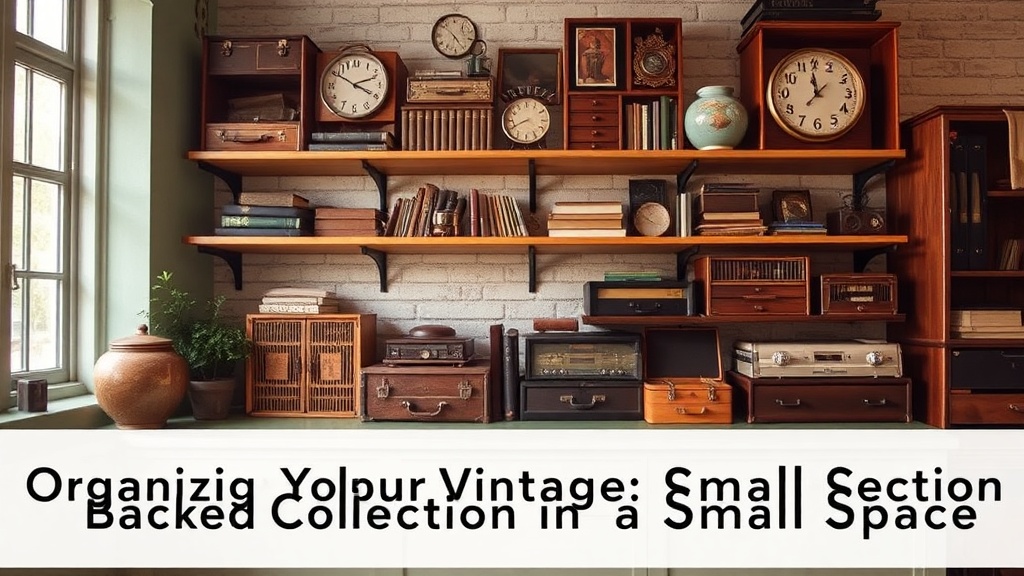
Organizing Your Vintage Collection in a Small Space

Did you know that the average collector of vintage metalware can easily own over 50 items without even realizing how much floor space they've actually surrendered? This guide tackles the reality of collecting in tight quarters by focusing on vertical storage, moisture control, and visual organization. You'll find practical methods for displaying metal lunchboxes, tin canisters, and retro lunch gear without turning your living room into a cluttered warehouse. We're looking at how to preserve the aesthetic appeal of your collection while keeping your small apartment or bedroom functional.
How Do I Protect Metal Vintage Items from Rust?
Protecting metal items from rust requires a combination of low humidity and consistent temperature control. If you live in a humid climate, your vintage metal lunchboxes are at risk of oxidation regardless of how much you love them. Moisture is the enemy of tin and steel. To keep your collection in top shape, you should aim for a relative humidity level below 50%.
One of the best ways to monitor this is with a simple digital hygrometer. These devices are inexpensive and tell you exactly what's happening in the air around your shelves. If the numbers climb, you might need a small dehumidifier in that room.
When it comes to storage, avoid storing your metal boxes directly on concrete floors or in damp basements. Even a small amount of seepage can ruin the finish of a rare 1950s metal box. Instead, use raised shelving or floating units. If you're displaying items near a window, be careful with direct sunlight. UV rays can fade the lithography on items like the classic metal lunchboxes we all adore, making them look washed out and aged.
Here is a quick checklist for maintaining your metalware:
- Use a Dehumidifier: Keep the air dry to prevent surface rust.
- Avoid Direct Sunlight: Light fades colors and can brittle old plastic components.
- Dust Regularly: Use a soft, dry microfiber cloth—never a wet rag.
- Check for Oxidation: Inspect the bottom edges of your boxes periodically.
What Is the Best Way to Display Small Collections?
Verticality is the most effective way to display a collection when your square footage is limited. Instead of spreading items across a wide coffee table or a long sideboard, look upward. Using wall-mounted shelving or tiered displays allows you to showcase your most prized pieces without eating up your walking space.
I've found that floating shelves are a lifesaver. They look sleek and don't have bulky brackets that clutter the visual field. If you have a collection of smaller tin canisters or lunchbox accessories, a tiered spice rack style display works wonders. It creates depth and allows you to see every item at once.
Think about the "depth" of your items. A standard metal lunchbox is much deeper than a tin canister. If you try to line them all up on a single shelf, the front ones will block the back ones. Using tiered acrylic risers—the kind often used in retail displays—can solve this. It lifts the front row up so every single piece is visible. This is especially helpful if you're displaying items with high-value lithography. You can check out how to identify these items properly by reading about spotting real vintage tin to ensure you aren't displaying a reproduction as a centerpiece.
Consider these three display styles for small spaces:
- The Shadow Box: Great for small, high-value items like vintage cutlery or small tin boxes. It keeps them dust-free and off the main surfaces.
- The Floating Shelf: Ideal for medium-sized metal lunchboxes. It keeps the floor clear and draws the eye upward.
- The Glass Cabinet: If you have the budget, a small glass-fronted cabinet (like an IKEA cabinet) protects your collection from dust and pets while keeping it visible.
How Much Space Does a Standard Collection Need?
A standard collection of 20 to 30 metal lunchboxes requires roughly 10 to 15 linear feet of shelving space, depending on how tightly you pack them. This calculation assumes you aren't stacking them—which you shouldn't do, because stacking can cause scratches or dents to the bottom of the top box.
If you're working with a tiny studio apartment, you have to be strategic. Don't just buy more shelves; buy better shelves. A single tall, narrow bookshelf (the "tower" style) is much more space-efficient than a wide, short bookcase. A tower uses the vertical "dead space" in a corner and holds more items per square foot of floor space used.
It's also worth noting the weight. Vintage metal can be surprisingly heavy when you have a dozen or more. If you're mounting shelves to hold a collection, make sure you're using the right wall anchors. You don't want a heavy collection of vintage metalware coming down on your head because of a poorly installed bracket.
| Storage Method | Space Efficiency | Protection Level | Visual Impact |
|---|---|---|---|
| Wide Sideboard | Low | Moderate | High |
| Vertical Tower Shelving | High | Low (Dusty) | Medium |
| Glass Display Cabinet | Medium | High | Very High |
| Wall-Mounted Floating Shelves | High | Low (Dusty) | High |
One thing I've learned is that "clutter" is often just a lack of organization. If your items are just sitting in boxes in a closet, they aren't a collection—they're just stuff. Bringing them out into the light is part of the fun. If you're unsure how to clean an item before displaying it, I've written about practical steps for reviving and enjoying your retro lunchbox. It's a great way to ensure they look their best before they hit the shelf.
When you're organizing, group by color or theme. It sounds simple, but a collection that is color-coordinated looks much more intentional and less like a mess. A collection of all blue and white ceramics or a set of red metal lunchboxes looks like a curated design choice. A jumble of random colors often just looks like a pile of old kitchenware.
Don't be afraid to rotate your collection. You don't have to display everything at once. If you have a massive collection, keep half in a sturdy, airtight bin in a cool closet and switch them out every few months. This keeps your display feeling "fresh" and prevents any one item from being exposed to the elements for too long. It's a great way to manage a growing collection without needing a bigger house.
The goal is to enjoy what you own. If your collection makes your small space feel cramped instead of cozy, it's time to re-evaluate your display method. Sometimes, less truly is more. A few perfectly displayed, high-quality pieces often look better than a crowded shelf of fifty mediocre items. Your collection should be a source of joy, not a source of stress over your limited square footage.
Steps
- 1
Assess Your Vertical Space
- 2
Select Damage-Free Shelving
- 3
Group by Height and Material
- 4
Incorporate Lighting