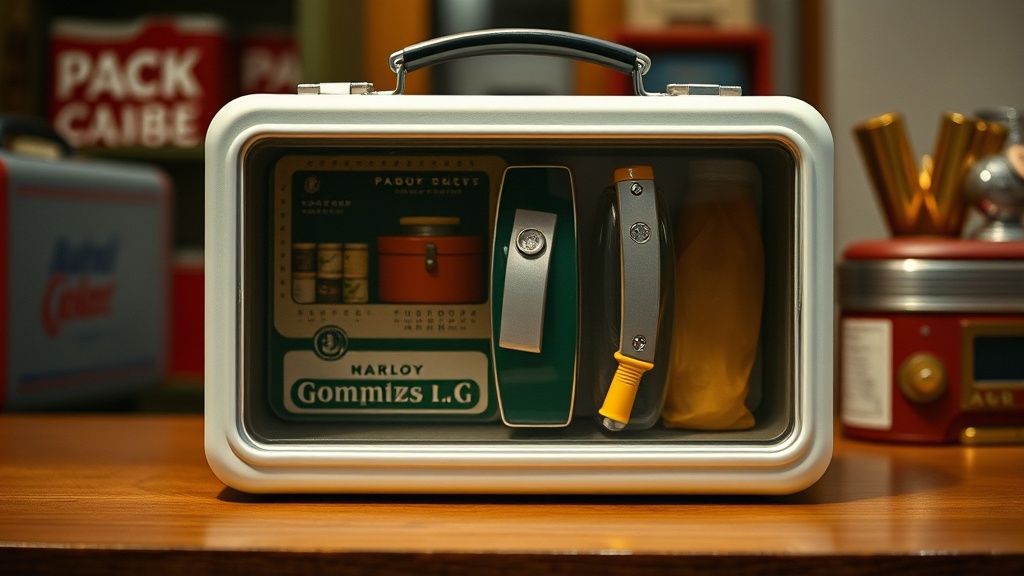
The Evolution of the Lunchbox from School Staple to Museum Piece

In 1955, the American lunchbox market saw a massive shift when the first heavy-duty plastic lunchboxes began to replace the traditional metal canisters used for decades. This single transition marked the beginning of a decline in durability but a massive surge in branding potential. This post tracks the transition of the lunchbox from a utilitarian tool for school children into a highly sought-after piece of pop culture history. We'll examine the material shifts, the rise of licensed character branding, and why certain eras now command thousands of dollars at auction.
How Did the Lunchbox Change Over Time?
The lunchbox evolved from a simple metal container into a highly branded, multi-material accessory used to market entertainment franchises. Originally, the lunchbox was a functional vessel—often made of heavy tin or steel—designed primarily to hold food safely. As the mid-20th century approached, the focus shifted from utility to identity. Companies realized that a child's lunchbox wasn't just a box; it was a status symbol among peers.
The progression generally follows three distinct phases of material and design:
- The Metal Era (Pre-1960s): Dominated by lithographed tin. These were sturdy, often featuring high-quality artwork that was printed directly onto the metal.
- The Plastic Revolution (1960s–1980s): The introduction of injection-molded plastics allowed for more complex shapes and lower production costs. This era saw the rise of the iconic "character" lunchbox.
- The Modern Era (1990s–Present): A shift toward lightweight, disposable, or highly specialized insulated bags, often losing the "collectible" weight of previous generations.
That transition to plastic changed everything. While metal boxes were built to last a lifetime, plastic versions were often treated as seasonal items. However, the branding became much more aggressive. If you look at the history of consumer goods, the lunchbox became a primary vehicle for studios like Disney or Warner Bros to keep their characters in front of children even when they weren't in theaters.
Why Are Vintage Metal Lunchboxes So Valuable?
Vintage metal lunchboxes are highly valuable because they represent a specific intersection of industrial design and mid-century pop culture. Collectors aren't just buying a box; they're buying a piece of art. Because the artwork was lithographed directly onto the tin, the level of detail and color saturation is often superior to modern printing methods.
The scarcity of these items drives the price. Most people used their lunchboxes until they were dented, rusted, or discarded. Finding a "near mint" condition metal box from the 1950s is incredibly difficult. A single mistake in a child's daily life—like dropping the box on a playground—can permanently devalue a piece for a serious collector.
It's also about the material's survival. You might wonder why some pieces look brand new while others are rusted through. It often comes down to how the metal was treated. You can read more about why certain vintage lunchbox materials outlast the rest to understand why metal holds its value differently than plastic. The weight, the texture, and the way the light hits a lithographed surface create a tactile experience that modern plastic simply can't replicate.
| Material Type | Typical Era | Collector Value Factor |
|---|---|---|
| Lithographed Tin | 1940s - 1950s | High (Scarcity of intact artwork) |
| Hard Plastic | 1960s - 1970s | Medium (Depends on character popularity) |
| Soft Insulated Fabric | 1980s - 1990s | Low (Commonly found, harder to preserve) |
One thing to keep in mind: a dented tin box might be a "filler" piece for a casual collector, but for a high-end auction, a single scratch can drop the price by hundreds. It's a brutal market for those who aren't careful with storage.
The Impact of Licensing
The real "boom" happened when Hollywood met the lunchbox. Once brands realized they could sell a lunchbox featuring Mickey Mouse or Bugs Bunny, the lunchbox became a marketing powerhouse. This era saw the rise of the "collect-them-all" mentality in children. It wasn't just about eating a sandwich; it was about owning the latest piece of the franchise. This shift is what truly turned the lunchbox into a museum-worthy piece of memorabilia.
How Do You Identify a Real Vintage Tin Box?
Real vintage tin lunchboxes are identified by their weight, the quality of the lithography, and the presence of specific manufacturing marks. Many modern reproductions are made to look old, but they often fail to capture the specific "feel" of mid-century metalwork. If you're looking at a piece, look closely at the edges and the way the graphics are applied.
Authentic vintage pieces often have a certain patina that is hard to fake. While some collectors want perfection, the "age" of the metal is a key indicator. If the box looks too perfect, it might be a modern reproduction. To be sure, you should practice spotting real vintage tin and identifying reproductions. This is a skill that takes time to develop, but it's the only way to avoid overpaying for a "fake" vintage item.
"The difference between a toy and a collectible is often just a matter of how much history is etched into its surface."
When checking a piece, always look at the bottom or the inside of the lid. Most vintage manufacturers included small text or a brand name there. If the bottom is perfectly smooth and lacks any markings, be suspicious. Real vintage items usually have some sign of the manufacturing process—even if it's just a tiny imperfection in the metal.
A common mistake is assuming that a "new" looking box is a better investment. Actually, a box that shows a tiny bit of age-appropriate wear can sometimes prove its authenticity more than a pristine-looking one. A perfectly shiny, unblemed box might actually be a modern high-end replica. It's a strange paradox of the collecting world.
The Materiality of Nostalgia
Why do we care so much about these objects? It's not just about the object itself. It's about the era it represents. A 1950s metal lunchbox isn't just a container; it's a physical connection to a time of different manufacturing standards and a different way of childhood. The weight of the metal in your hand feels "real" in a way that a flimsy plastic bag doesn't. This tangibility is why the transition from metal to plastic was such a turning point for the hobby. We lost the weight, and in many ways, we lost the permanence of the item.
The rise of the "museum piece" status for lunchboxes is also driven by the people who grew up with them. The generation that had these items in their hands is now in their peak earning years. They are looking back and wanting to reclaim a piece of their childhood. This creates a massive demand for the very items that were once considered disposable. It's a cycle of nostalgia-driven economics that keeps the vintage market alive.
The market for these items is constantly shifting. A brand that was popular in 1965 might be worth a fortune today, while a "classic" from 1950 might be common. It’s a game of tracking trends and understanding which characters had the most cultural staying power. If you're just starting, don't rush to buy the most expensive thing you see. Start with the materials and the history first.
If you find yourself with a collection that is growing faster than your shelf space allows, you might need to look into organizing your vintage collection in a small space. Most collectors eventually hit a wall where the sheer volume of items becomes a logistical problem. Whether it's tin or plastic, these objects require specific care to maintain their value.